Vantage
Vantage is a compilation of research articles, analytical papers, and select policy briefs by the CEO. When older publications appear here, it indicates that the research and analysis are still relevant to today’s situation.
On this MLK Day: Jan 19, 2026 Advancing Peace: A Policy Imperative
Peacebright Convenes: Jan 16, 2026
The Geopolitics of Island-Building in Transnational Waters. Chapter 7. Science, Technology, and Art in International Relations. Routledge: 2019.
40 years of ASEAN-Canada Partnership, and a Strategic Agenda for Tomorrow
Advancing Peace: A Policy Imperative
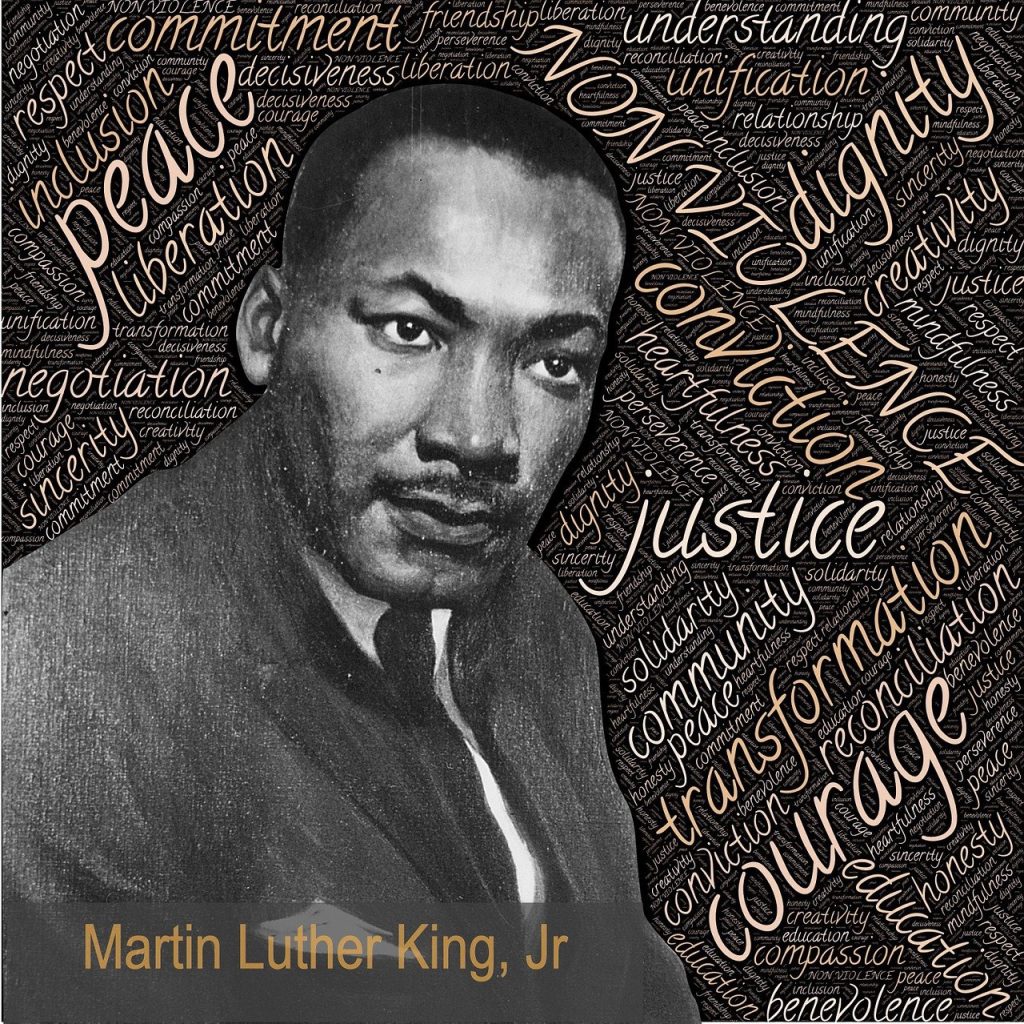
Martin Luther King Jr. Day is not simply a moment of remembrance. It is a call to action. Dr. King’s legacy challenges institutions, policymakers, and civic leaders to confront inequity not as an abstract moral failure, but as a systemic condition that demands structural solutions. This day highlights a policy juncture. This day is an opportunity to reaffirm that peace is not just the absence of conflict, but the prevalence of justice and inclusive systems.
Dr. King warned us that “Injustice anywhere is a threat to justice everywhere”. Today, this warning resonates across societies marked by polarization, armed violence, and erosion of public safety. These are not isolated crises. They are interconnected policy failures that require review of social policies, prior to a reformative take on social unrest or sustainable development.
Peace as a Policy Choice
Peace does not emerge by default. It is the result of deliberate policy choices: choices about how societies allocate resources, resolve disputes, govern diversity, and protect human dignity. Too often, peace is treated as a post-conflict aspiration rather than a guiding principle embedded in governance, education, economic planning, and public safety.
A peace-centered policy framework recognizes that violence is frequently the symptom of a larger grievance. Structural inequities, exclusionary systems, and unresolved issues fuel cycles of aggression, violence, and social instability. Addressing the root causes of violent incidents is not idealism; it is sound policy grounded in evidence and long-term public interest.
Dr. King’s moral vision focused on institutional reform. He called for changes in laws, labor systems, housing policy, education, and public accountability. In that spirit, Peacebright’s call now is for a constructive engagement of various institutions in different sectors: the private sector, government, civil society, and academia have shared responsibility in building cross sector cooperation for quelling unrest, building peace, equity, and social stability.
The Peacebright call involves open discussions on several policy futures, outlined below:
- Strengthening civic trust through inclusive governance.
- Embedding conflict prevention and dialogue mechanisms into public policy
- Investing in education that builds civic engagement, and democratic participation.
- Addressing violence through prevention, not just enforcement.
- Ensuring peace and security policies are aligned with human rights and social equity.
- Repositioning peacebuilding from the margins of policy discourse, to be the central tenet
of intra-national and international relations.
Governance in a Divided Era
Governance today needs to be more than crisis management. Governance requires the courage to invest in long-term endeavors for durable peace even when short-term incentives point elsewhere. This MLK day reminds us that societal peace and stability are the prerequisites to national and international development. The Peacebright call is to move beyond symbolic commitments, toward measurable action. Peace is not a soft goal. Peace is a strategic necessity for resilient societies and sustainable development.
The Peacebright Commitment
On this MLK Day, The Peacebright Institute recommits to advancing peace that is just, inclusive, and enduring. Honoring Dr. King’s legacy means continuing the work he began: the work to transform moral clarity into policy, courage and vision into action. Peacebright remains committed to advancing dialogue, research, and policy engagement to support systemic peace
We now invite institutional partners, sponsors, work contacts and friends to engage in dialogue with The Peacebright Institute to explore how best we can collaborate for the good of all.

CEO